ABOUT THE SPEAKER
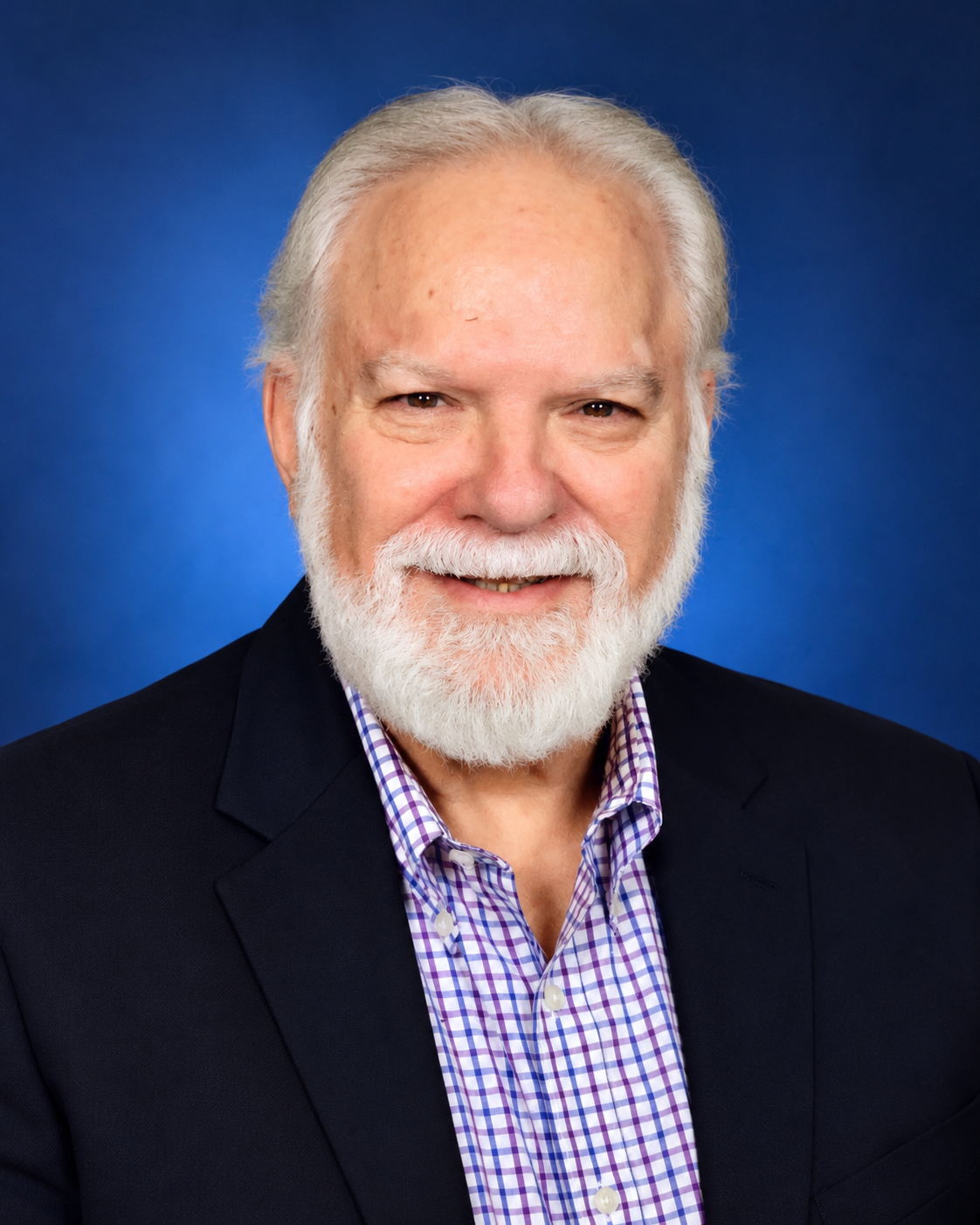
About Dr. Thomas Collins
Dr. Thomas Collins brings together a lifelong interest in history with decades of experience studying and teaching leadership, communication, and human behavior.
His work offers audiences more than a retelling of the Battle of the Little Bighorn. It explores the people, personalities, and leadership decisions behind one of the most debated events in American history.
EXPERIENCE & BACKGROUND
A Career Focused on Leadership and Learning
Dr. Collins has spent decades working at the intersection of leadership, education, communication, and human behavior.
He has taught undergraduate and graduate leadership courses and provided professional education for the U.S. Department of Defense through Webster University and Southern Illinois University. He also served as Director of Professional Development for the Society for Human Resource Management and as a continuing education director at Florida International University.
His experience also includes international presentations, including lectures delivered in Spanish at the Psychiatric Institute of Colombia.
EDUCATION
Ph.D.
University of Nebraska–Lincoln
Psychology of Adult Learning & Lifelong Learning
HISTORY
Undergraduate Study in History
FROM HISTORY TO THE LITTLE BIGHORN
A Lifelong Interest Becomes a Presentation
Dr. Collins’ interest in history began long before he started speaking about the Battle of the Little Bighorn. With an academic background that includes history, psychology, leadership, and adult learning, he became increasingly interested not simply in what happened at the Little Bighorn, but why.
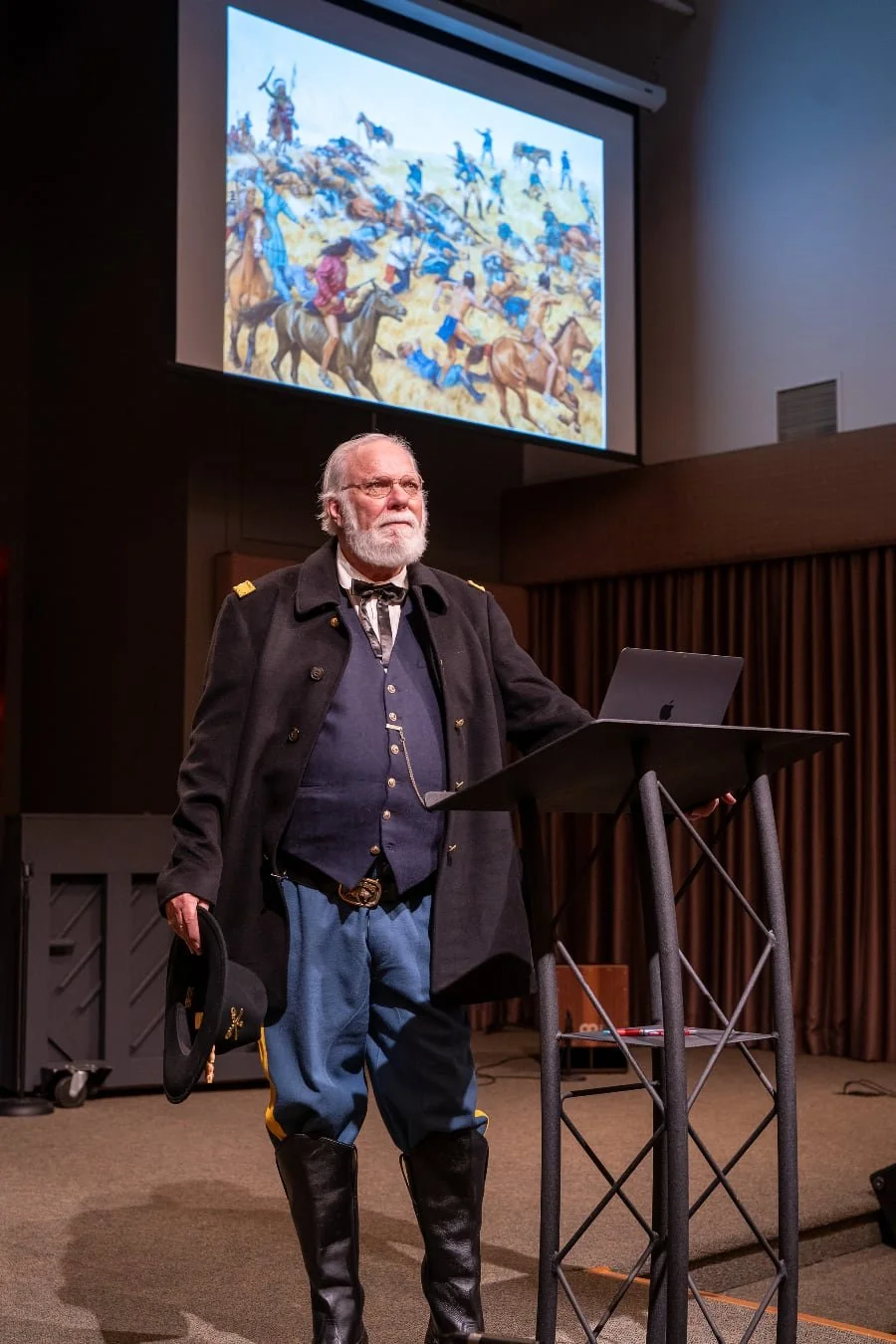
That question led him to examine Custer through the lens of human behavior and leadership. In 2010, he began presenting his research to audiences, exploring how personality, relationships, judgment, and leadership decisions converged before the battle.
BOOKING & AVAILABILITY
Bring the Little Bighorn Story to Your Audience
Dr. Thomas Collins is available for presentations to historical organizations, community groups, educational audiences, and others interested in the Battle of the Little Bighorn, leadership, and the human decisions behind history.